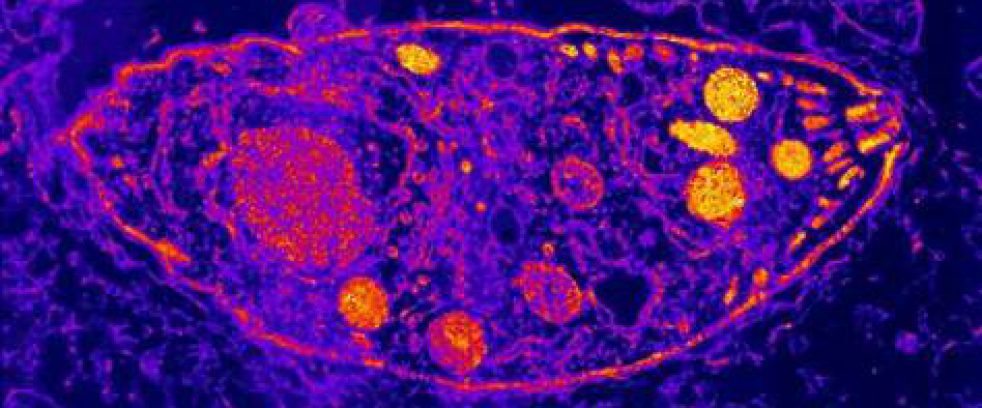
Studies in the U.S. show that Toxoplasmosis is the one of the leading causes of food-borne-illness related deaths, following some of the biggest pathogen outbreaks such as salmonella and norovirus. The US Department of Agriculture reports about half of all Toxoplasmosis cases are caused by ingestion of contaminated particles, which most commonly are soil and raw or under-cooked meat products, primarily lamb, pork, and cured meats such as salami and prosciutto (4).
Particularly meats from livestock animals such as sheep and goats have higher chances of containing spores (see Transmission for more information on sporulation). This high chance can be due, in part, to the unsanitary living conditions of animals and increased likelihood of ingestion of T. gondii cysts in soil or soil covered food products. To combat your risk of infection through meat, the CDC reccommends always practicing safe handling of meat, ie. freezing meat to kill any tissue cysts that might exist, storing products away from unclean spaces, and handling them with sanitary tools. Follow this chart created by the FDA to always ensure your meat products are cooked and frozen at the appropriate temperatures: Apply the Heat (1).
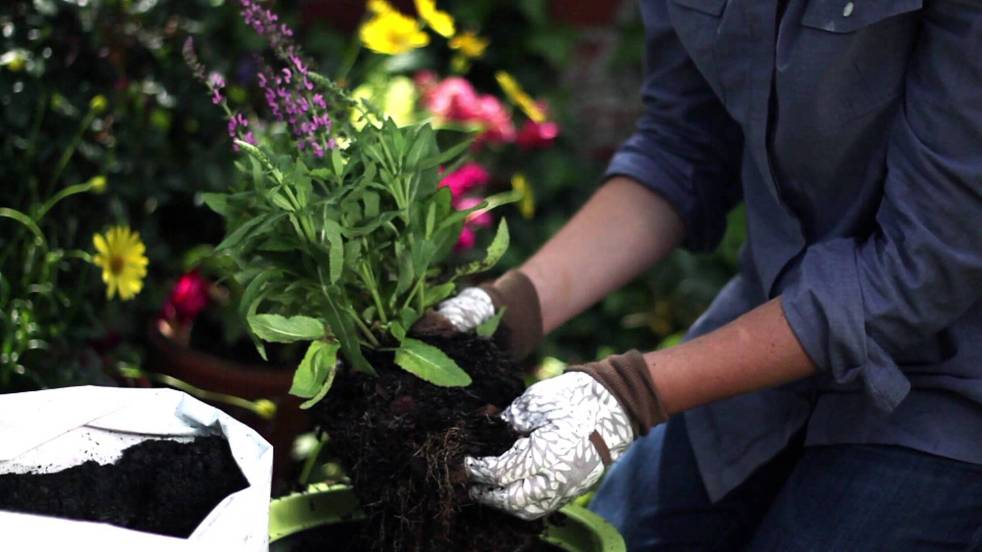
Practicing general cleanliness after touching soil or dirt can also help reduce the risk of infection by T. gondii. Many gardeners and those who spend time outside find themselves at higher risk for contracting Toxoplasmosis. Not wearing gloves or not washing hands after being outside can result in accidental touching of the hands to mouth and ingestion of soil containing spores. The same outcomes result when eating unwashed fruits or vegetables which is why it is extremely important to thoroughly wash produce after picking or buying from the grocery store (4).
Appropriate and timely disposal of cat litter is also advised. As sporulation can occur within five days it is recommended that cat litter be cleaned within that time, more ideally every day. It is also strongly suggested that people who are pregnant or may become pregnant not handle cat litter. A mother who is infected is at risk for their fetus developing Congenital Toxoplasmosis resulting in miscarriage or still birth, with a high risk of their newborn being born with severe brain or eye damage (2,5).
Sources:
1. “Apply the Heat Chart.” Apply the Heat Chart (n.1.): n. 1. Foodborne Illness Contaminants. FDA. Web. 13 Dec. 2016.
2. Lopez, Adriana. “Preventing Congenital Toxoplasmosis.” Centers for Disease Control and Prevention. Centers for Disease Control and Prevention, 2 May 2001. Web. 13 Dec. 2016.
3. “Parasite.” Toxoplasmosis (1) : USDA ARS. ARS Home, 13 Aug. 2016. Web. 15 Dec. 2016.
4. Toxoplasmosis Is A Disease Caused By A Microscopic Parasite, and Called. “Cats and Pregnant Women.” Cats and Pregnant Women – Toxoplasmosis (n.d.): n. 12. The Cat Group. Cats Protection Veterinary Guide 20. Web. 13 Dec. 2016.
5. Villena, I. “Congenital Toxoplasmosis in France in 2007: First Results from a National Surveillance System.” Euro Surveillance : Bulletin Europeen Sur Les Maladies Transmissibles = European Communicable Disease Bulletin. U.S. National Library of Medicine, 24 June 2010. Web. 13 Dec. 2016.
 Toxoplas-what?